Facilities & Support Services
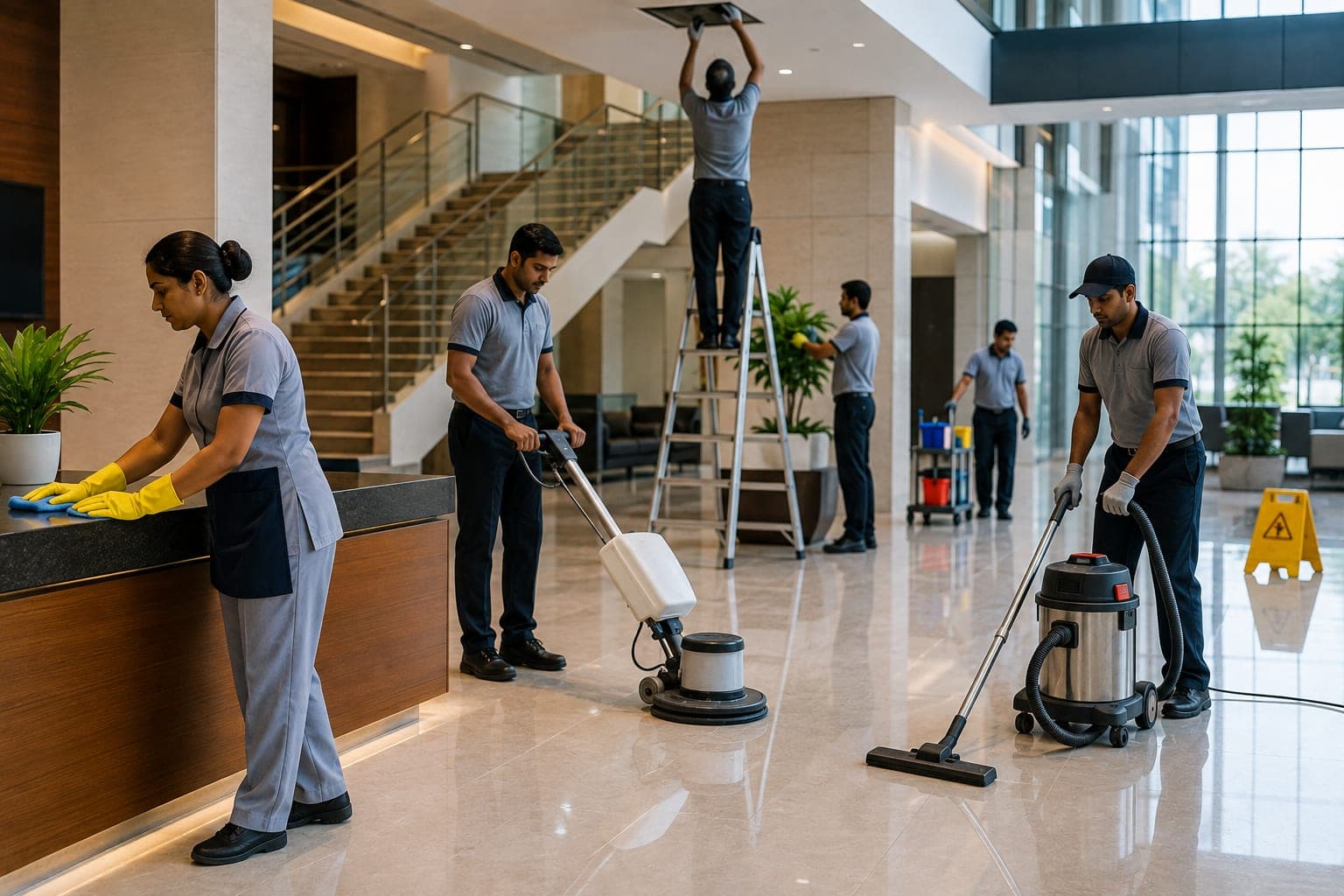
Facilities Management & Housekeeping Services
Integrated hard and soft facilities management for operational assets.
View details
The Kingdom's holiest city, where Hajj and Umrah drive year-round demand for facilities, catering and crowd-safety infrastructure.
Makkah is the Kingdom's holiest city, where Hajj and Umrah generate year-round demand for facilities management, catering, healthcare and crowd-safety infrastructure at a scale its resident population alone would not require. Development around Masjid al-Haram and the Central Area runs under the Royal Commission for Makkah City and Holy Sites alongside standard municipal authority.
Makkah's economy is structured around the pilgrim-services cycle: Hajj concentrates several million visitors into a fixed short window, while Umrah sustains high visitor volumes for most of the rest of the year. This produces sustained demand for facilities management across hotels and accommodation towers, catering at a scale most cities never require, transport coordinated around pilgrim movement patterns, and safety and crowd-management systems built for extreme, short-duration density.
Makkah Municipality, with the Royal Commission for Makkah City and Holy Sites overseeing Masjid al-Haram and pilgrim-facility development
Development and services delivery in and around Masjid al-Haram and the Central Area coordinate with the Royal Commission for Makkah City and Holy Sites in addition to municipal permitting, with access restrictions that intensify sharply during Hajj.
Facilities, catering and safety contracts here are scoped against the Hajj peak specifically — a fixed, extreme, short-duration surge — rather than an average annual figure that would badly under-provision the season that matters most.
Makkah's central boundary is restricted to Muslims under Saudi law, which shapes workforce planning for any scope operating inside that zone and is confirmed before mobilisation rather than assumed.
Yes — capacity is scoped against the Hajj peak specifically, which is a materially different planning basis from an average annual demand figure and is treated that way in any contract covering this period.
Facilities management and housekeeping, catering and hospitality, safety and security systems, medical and healthcare services, and transportation services.
Facilities & Support Services
Integrated hard and soft facilities management for operational assets.
View details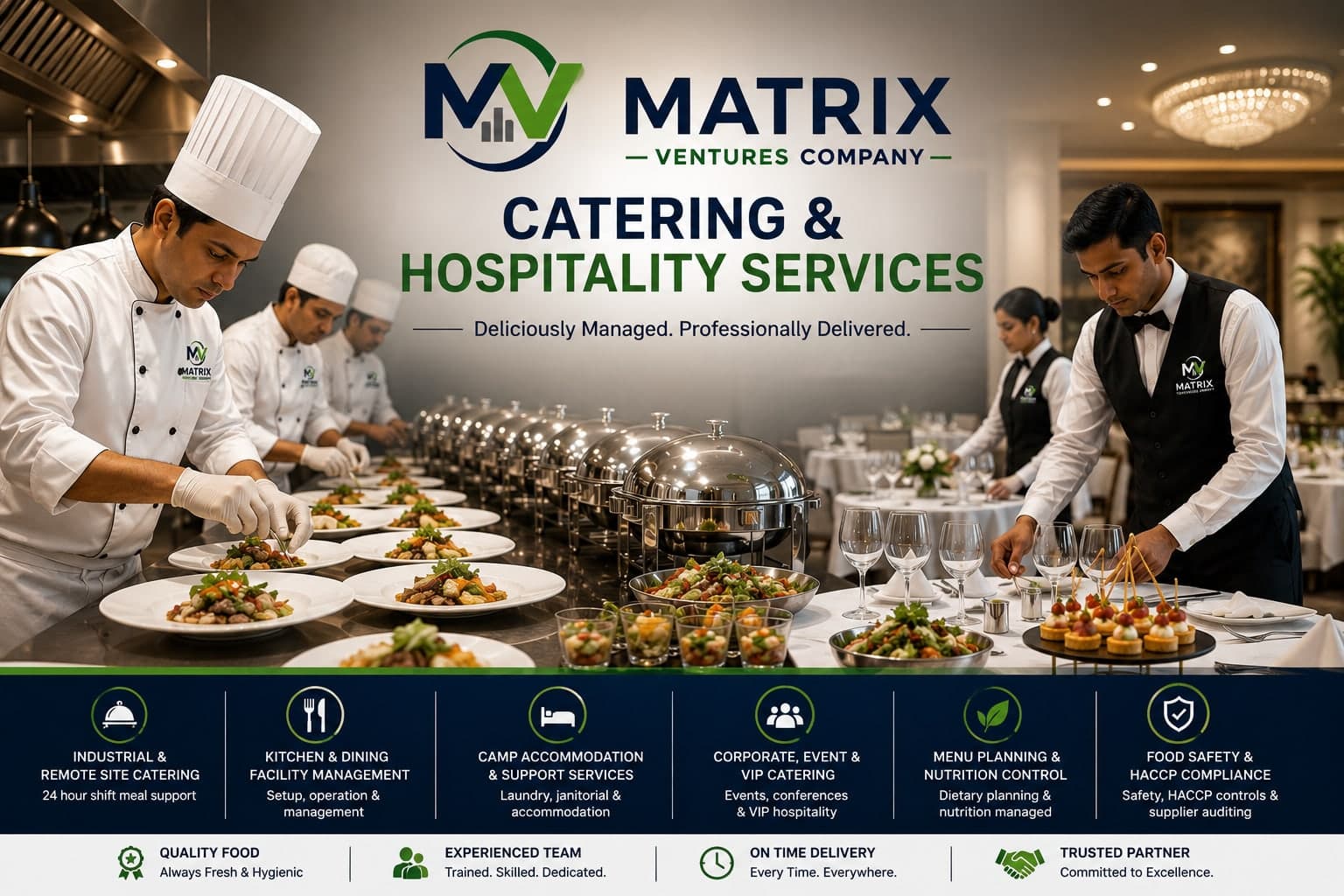
Facilities & Support Services
Industrial catering, camp accommodation and hospitality support under food-safety controls.
View details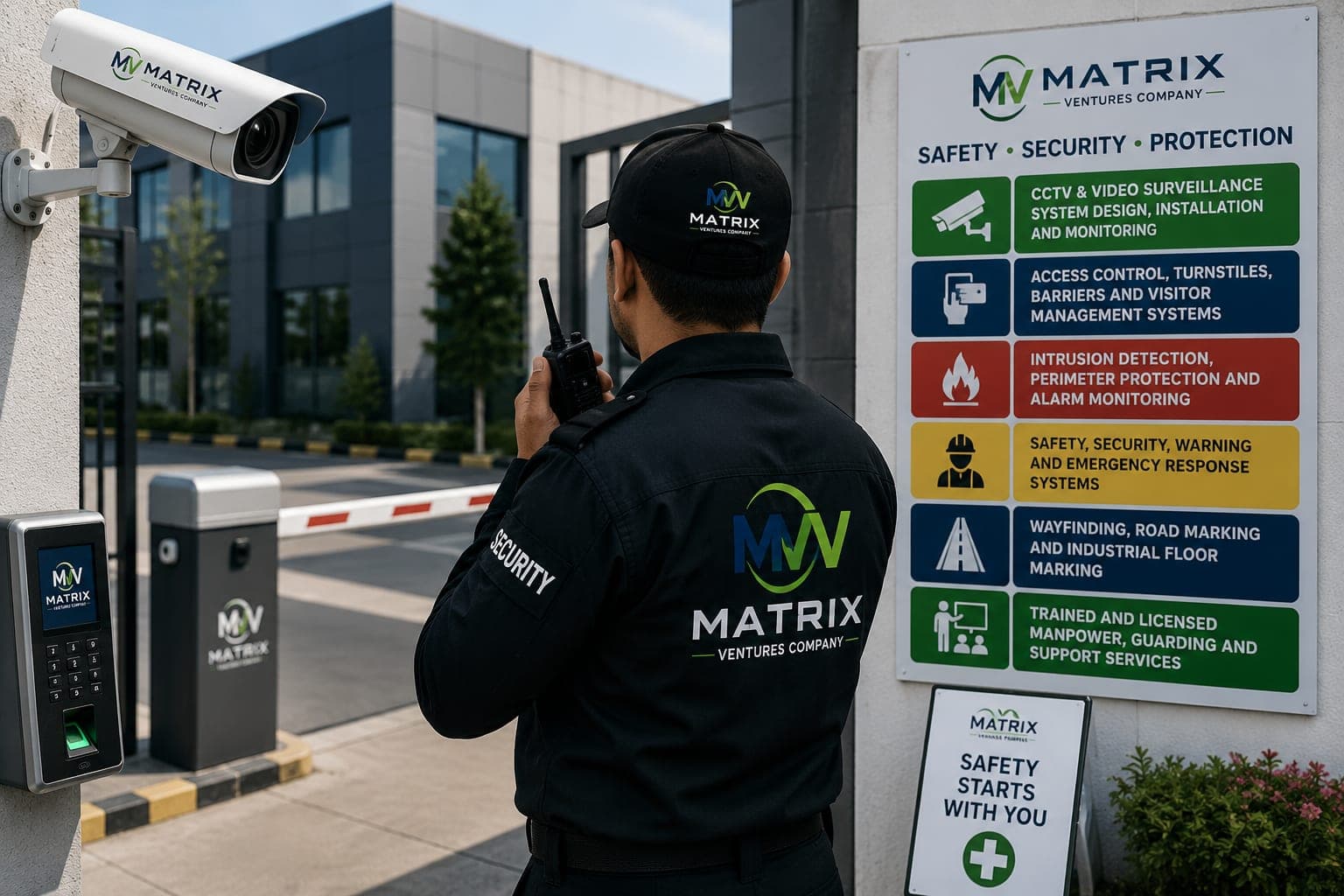
Safety & Security
Electronic security systems, safety signage and manned security services.
View details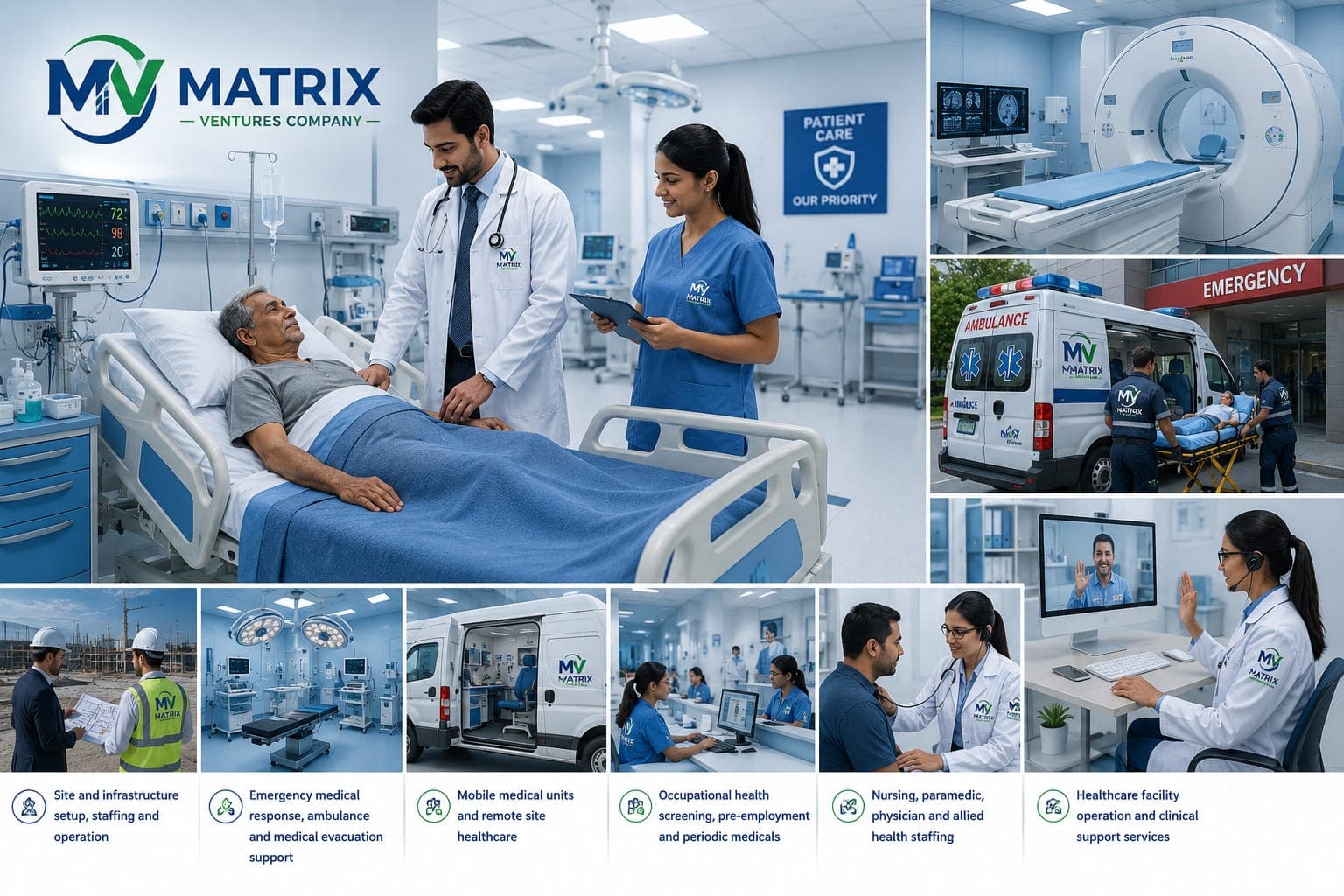
Healthcare
Occupational health, site clinics, emergency response and healthcare facility operation.
View details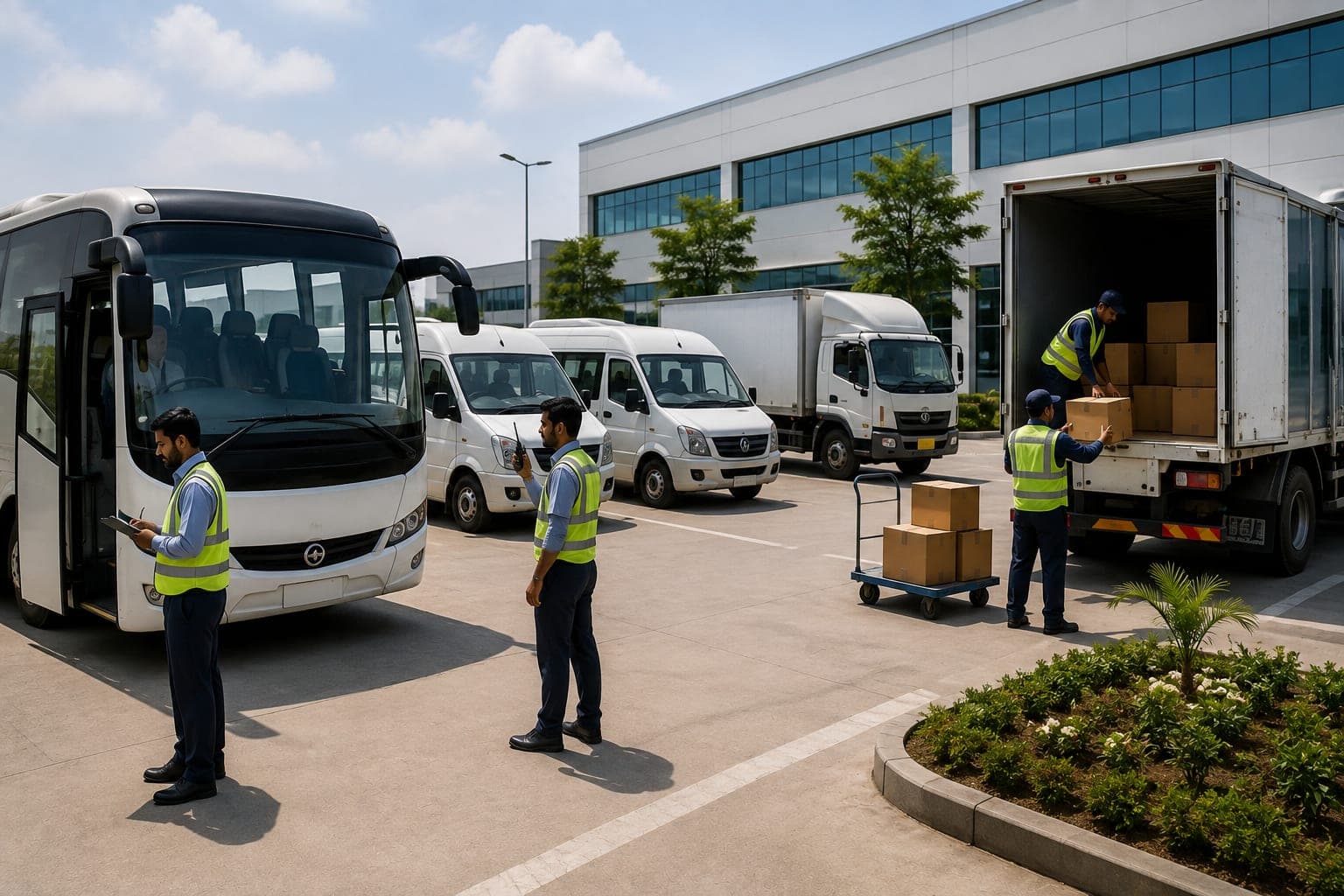
Facilities & Support Services
Passenger, staff and cargo transport with managed, maintained and tracked fleets.
View detailsRiyadh Region
The Kingdom's capital and its largest concentration of government, corporate and giga-project procurement.
View detailsMakkah Region
The Kingdom's principal commercial port and the logistics gateway for the western region.
View detailsEastern Province
The commercial and administrative capital of the Eastern Province, at the centre of the Kingdom's oil and gas industry.
View details